www、apex 與 wildcard forwarding:怎麼做才不傷 SEO
host normalization 看起來簡單,但 root、www、subdomain、path 和 query string 一旦各有規則,就很容易出現 redirect chain。先決定 canonical host 才是重點。

host normalization 看起來像一個小小的 DNS 工作。但一旦進到 migration 或 rebrand,它很快就變成 URL policy 的問題。
品牌想用 apex domain。舊站還在用 www。產品、docs 或 campaign 可能在 subdomain 上。agency 會把 wildcard forwarding 寫進遷移表。廣告連結還要保留 path 與 UTM。這些決策分開做,最後通常就是 redirect chain。
重要的問題不是 www 和 apex 誰永遠比較好。重要的是:哪個 host 要當 canonical,以及其他 variant 要怎麼跟上。
如果這是更大 migration 的一部分,先看 Website Migration Redirect Checklist。這篇只聚焦 host layer。
host 也是 URL policy 的一部分
example.tw、www.example.tw 與 *.example.tw 在操作上不是同一件事。
- apex 在 marketing 上通常更乾淨。
www在舊 stack 很常見。- subdomain 可能是 product、docs、support 或 store。
- wildcard 適合很多 host 都要走同一條 rule 的情境。
重點是,不要讓這些 variant 靠運氣跑。
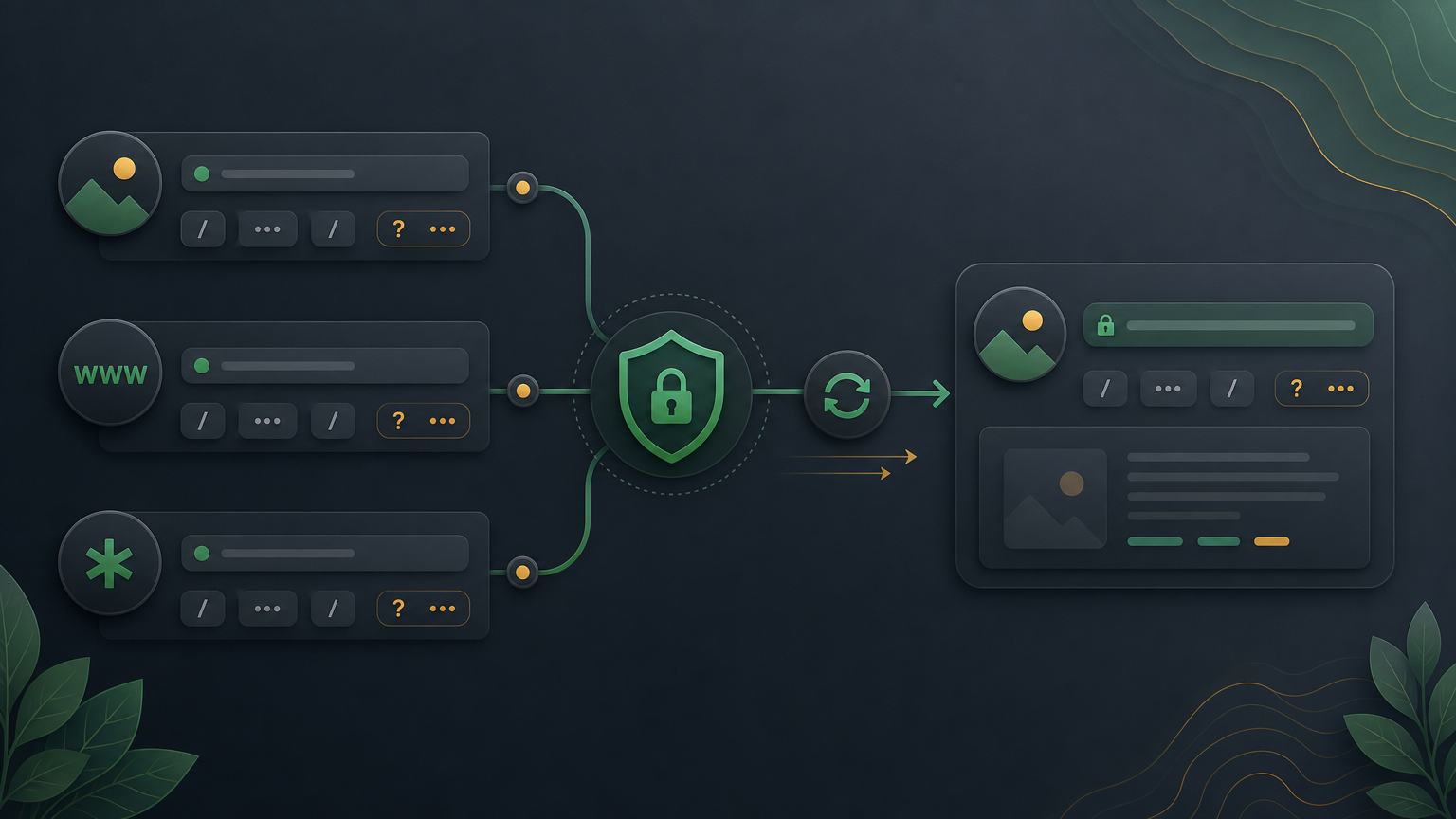
在 launch 前先決定 canonical host
先回答這些問題:
| 問題 | 為什麼重要 |
|---|---|
網站是在 apex 還是 www 上 | 決定使用者看到的 canonical URL |
| 哪些 subdomain 是 alias | 不是每個 subdomain 都該合併 |
| path 要不要保留 | SEO、bookmark、deep link 都靠它 |
| query string 要不要保留 | UTM、coupon、ID 可能會消失 |
| 是否有 temporary exception | campaign 與 launch 可能需要不同規則 |
如果這些答案不清楚,幾個 layer 會一起開始幫忙。
DNS 不會解決全部
DNS 只告訴 traffic 去哪,不會直接決定可見 URL 的變化。
乾淨流程:
http://www.old-brand.example/pricing?utm_source=email
  -> https://new-brand.example/pricing?utm_source=email
脆弱流程:
http://www.old-brand.example/pricing
  -> https://www.old-brand.example/pricing
  -> https://old-brand.example/pricing
  -> https://new-brand.example/pricing
單一 hop 比較容易測試,也比較容易維護。
Wildcard forwarding 適合結構還對齊的時候
當 path 結構沒有大改時,wildcard rule 很有用。
old.example.tw/* -> new.example.tw/$1適合情境:
- 需要保留大量舊 URL
- path 結構變化不大
- 不想每個頁面都寫一條 rule
- 舊 subdomain 真的就是 alias
如果資訊架構變化很大,重要 URL 還是要明確 mapping。
保留 path 和 query
改 host 不等於刪掉 request context。
http://old.example.tw/docs/api?ref=partner&utm_source=newsletter如果結構允許,最後應該到:
https://new.example.tw/docs/api?ref=partner&utm_source=newsletter這對以下情況都很重要:
- SEO page
- documentation
- paid campaign
- affiliate link
- 使用者 bookmark
path 或 query 一旦消失,redirect 看起來對了,價值卻掉了。
避免 chain
最常見的錯誤是把責任拆開:
- HTTP 到 HTTPS 在一個 layer
www到 apex 在另一個 layer- domain migration 在 CDN 或 hosting
- app 又加一條 canonical rule
結果就是 http -> https -> www -> final。
如果你的 stack 已經長這樣,下一步看 Redirect Chains and Loops。
做 launch matrix 測試
發布前測試真實變體。
| Test | Example |
|---|---|
| Apex root | https://example.tw/ |
www root | https://www.example.tw/ |
| Deep path | https://example.tw/pricing |
| Deep path with query | https://example.tw/pricing?utm_source=email |
| Old host with path | https://old.example.tw/blog/post-1 |
| Wildcard subdomain | https://docs.example.tw/guide |
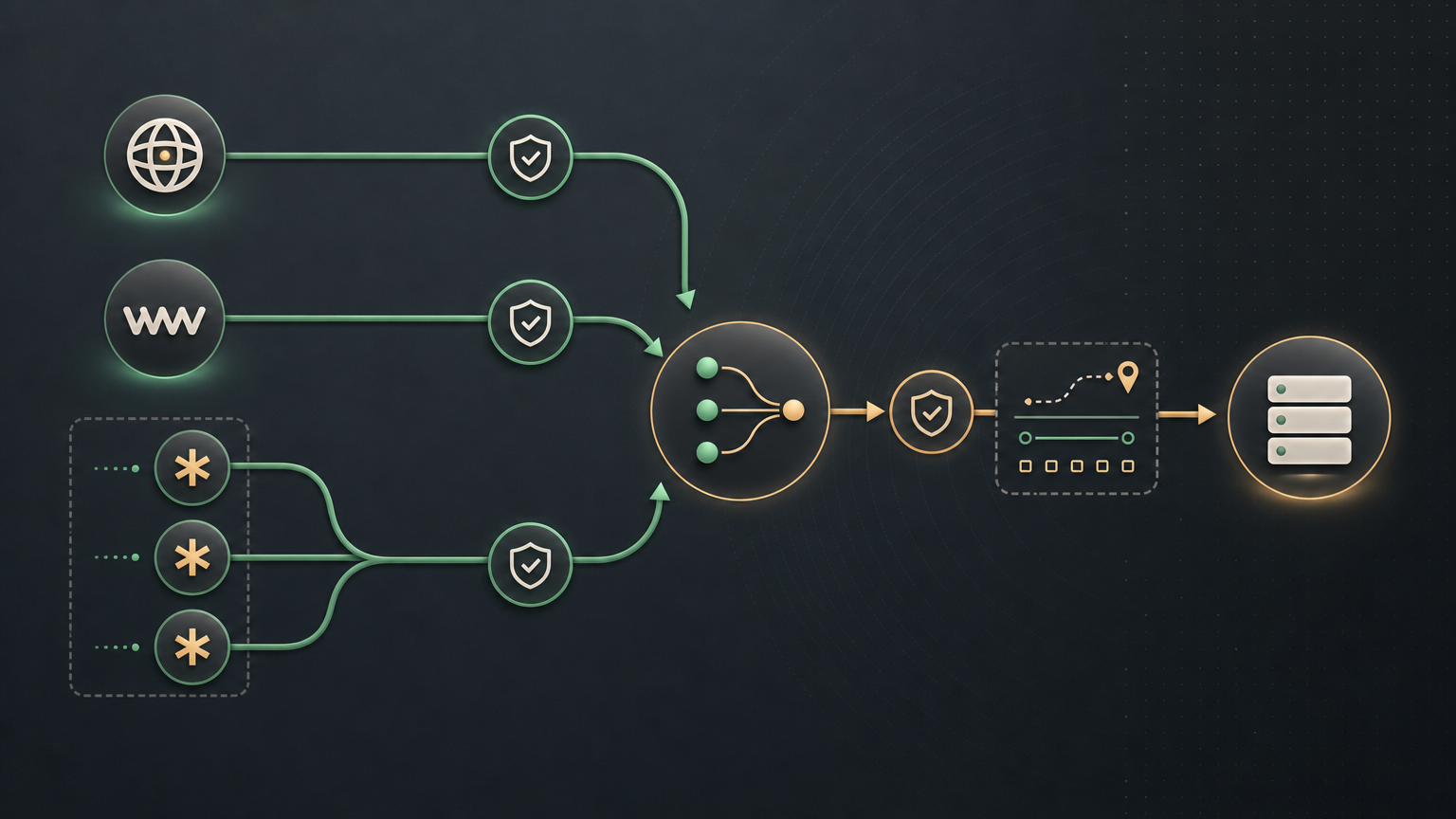
確認:
- final host 正確
- path 有保留
- query 有保留
- status code 符合意圖
- 沒有多餘 hop
UrlEdge 適合放在哪
UrlEdge 很適合把 host normalization 當成 routing policy 管理,而不是零散 snippet。
- Free Redirect Service 用於自動 HTTPS 和 wildcard forwarding
- Advanced Redirect Rules 用於條件式 host logic
- Redirect Checker 用於檢查真實 hop
- Domain redirect with path and query preservation 用於完整模式
重點是有一個地方負責 canonical host、variant、path、query 和 status code。
FAQ
一定要用 apex 代替 www 嗎?
不一定。兩者都可以。重點是選一個 canonical host,然後讓其他 variant 乾淨地跟上。
wildcard subdomain 可以用一條 rule 嗎?
可以,只要結構仍然對齊。如果變化很大,重要 URL 還是要明確 mapping。
只靠 DNS 可以嗎?
不行。DNS 不能取代使用者看得到的 HTTP redirect policy。
campaign parameter 要保留嗎?
通常要,除非你有明確理由刪掉。丟失的 attribution 很難再找回來。
參考
先把 canonical host 定下來
把 root、www、wildcard subdomain 與自動 HTTPS、path preservation 一起管理。
試用 Free Redirect Service相關文章
查看全部
付費與聯盟流量的連結防火牆:在入口過濾 bot、proxy 與壞點擊
不是每個壞點擊都是作弊,但每個壞點擊都可能影響預算、歸因與合作夥伴報表。連結防火牆是在流量到達目標頁前決定怎麼處理它。

在 edge 提供驗證檔案:ads.txt、security.txt、AASA 與 assetlinks.json
有些檔案必須放在 root 或 /.well-known/。如果 CMS 或商店平台不方便,edge response 可以直接用正確的 status 和 Content-Type 提供它們。